Water damage restoration follows a structured five-step process: emergency contact and assessment, water removal, drying and dehumidification, cleaning and sanitizing, and finally restoration and repairs. Professional teams typically begin work within hours of your call, using moisture meters and thermal imaging to map the full extent of damage before removing standing water with industrial pumps and wet vacuums. The process can take anywhere from three days to several weeks depending on the category of water, the amount of affected material, and how quickly the response begins.
Understanding how water damage restoration works gives you the knowledge to act fast when pipes burst, appliances fail, or storms breach your home’s defenses. The difference between a minor repair and a major reconstruction often comes down to the first 24 to 48 hours after water enters your living space.
Why Speed Matters When Water Enters Your Home
The clock starts ticking the moment water begins spreading through your property. Within the first hour, water soaks into porous materials like drywall, insulation, and subflooring. By the 24-hour mark, drywall begins to swell and break down, metal surfaces start to tarnish, and furniture begins to crack and warp.
Between 48 hours and one week, mold growth becomes a serious concern. Spores that were dormant in your home find the perfect breeding ground in wet materials. Wood flooring can cup and buckle. Metal corrodes further. The restoration process becomes significantly more expensive because remediation work expands beyond simple drying.
Professional restoration companies maintain 24-hour emergency response teams specifically because early intervention saves both structure and belongings. A ceiling that receives attention within four hours might only need drying and paint. That same ceiling left wet for three days often requires complete replacement.
The Initial Assessment and Damage Classification
Trained technicians arrive with specialized equipment to evaluate your situation. They measure moisture levels in walls, floors, and ceilings using penetrating and non-penetrating meters. Thermal imaging cameras reveal hidden water pockets behind surfaces that appear dry to the naked eye.
The team classifies the water into one of three categories. Category 1 water comes from sanitary sources like supply lines and has no substantial contamination. Category 2, often called gray water, contains some level of chemical or biological contamination from sources like dishwasher overflows or washing machine leaks. Category 3, known as black water, carries serious health risks and comes from sewage backups, flooding from rivers or streams, or water that has sat stagnant long enough to support bacterial growth.
This classification determines the entire scope of work. Category 1 water allows salvaging more materials. Category 3 requires disposing of porous materials that contacted the water, complete sanitization protocols, and often professional mold remediation.
Water Extraction and Removal Techniques
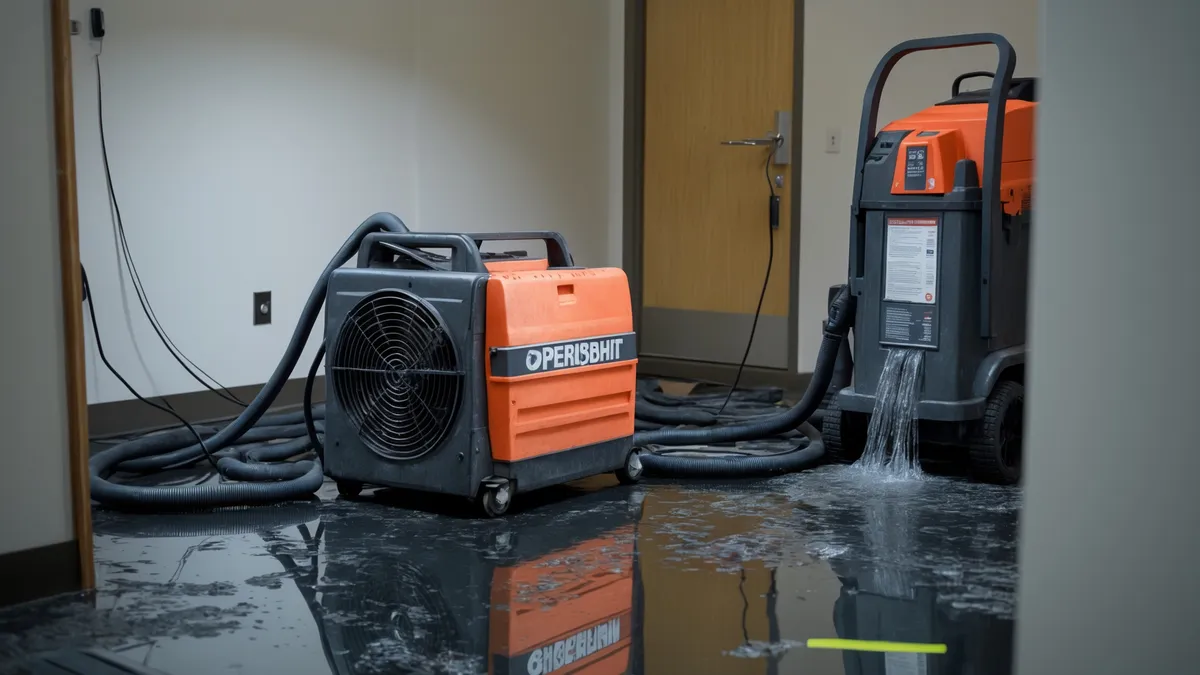
Removing standing water happens first, using equipment scaled to the volume present. Portable extraction units handle minor leaks affecting single rooms. Truck-mounted pumps tackle basement floods or multi-story incidents. Weighted extractors pull water from carpets and padding.
Technicians work systematically from the highest concentration toward the edges, preventing water from spreading to unaffected areas. They remove soaked materials that cannot be saved, including carpet padding, insulation, and sections of drywall that have absorbed water past the point of structural integrity.
The extraction phase also includes documenting everything for insurance purposes. Photos, moisture readings, and detailed notes create the record your claim requires. Reputable companies understand this documentation protects both you and them throughout the restoration timeline.
Professional Drying and Dehumidification Methods
After visible water disappears, the hidden moisture battle begins. Industrial air movers create rapid airflow across wet surfaces, accelerating evaporation. Dehumidifiers pull moisture from the air, preventing it from reabsorbing into materials or condensing on cooler surfaces.
The configuration matters more than equipment quantity. Professionals position air movers at specific angles to create circulation patterns that reach into wall cavities and under cabinetry. They seal off affected areas to prevent introducing humid outdoor air that slows drying. In Mansfield TX and surrounding areas, summer humidity levels can add days to the drying process if not controlled properly.
Technicians monitor progress with daily moisture readings, adjusting equipment placement as different areas dry at different rates. Concrete slabs dry much slower than wood framing. Exterior walls with insulation require different airflow than interior partition walls. The drying phase typically runs three to five days for minor incidents, up to two weeks for major flooding.
Cleaning, Sanitizing, and Odor Control
Once materials reach acceptable moisture levels, deep cleaning begins. The approach depends on water category and the type of surface. Hard surfaces receive antimicrobial treatments. Upholstered furniture goes through specialized cleaning processes or gets discarded if contamination levels warrant it.
Air scrubbers with HEPA filtration remove airborne particles and mold spores. Foggers distribute antimicrobial agents into hard-to-reach spaces. Persistent odors, especially from Category 2 or 3 water, may require hydroxyl generators or ozone treatments after the space is cleared of people and pets.
This stage also addresses contents, the personal belongings in affected areas. Pack-out services inventory and transport salvageable items to climate-controlled facilities for specialized restoration. Electronics, documents, photographs, and family heirlooms often receive individual attention using techniques like freeze-drying or ultrasonic cleaning.
Step-by-Step Restoration and Rebuild Process in Mansfield TX
The final phase returns your home to its pre-loss condition, or better. The work follows a logical sequence that respects building codes and proper construction methods.
Step 1: Structural Repairs
Carpenters replace damaged framing, subflooring, and structural elements. Load-bearing components receive special attention to maintain the building’s integrity. In homes built on pier and beam foundations common in parts of Mansfield TX, technicians inspect the crawl space for standing water and ensure proper ventilation prevents future moisture problems.
Step 2: Rough-In Work
Plumbers and electricians repair or replace damaged systems. Burst pipes that caused the original damage get fixed. Wiring that contacted water gets replaced to prevent fire hazards. HVAC ducts that filled with water receive cleaning or replacement.
Step 3: Insulation and Drywall
New insulation goes into wall and ceiling cavities. Drywall installers hang, tape, and finish surfaces to match existing textures. This stage takes several days because joint compound requires drying time between coats.
Step 4: Finish Work
Painters apply primer and paint. Flooring installers lay new carpet, tile, or hardwood. Trim carpenters reinstall baseboards, door casings, and crown molding. Cabinets damaged beyond repair get replaced and reinstalled.
Step 5: Final Details
Technicians reinstall fixtures, switch plates, and hardware. They perform a final walkthrough with you, addressing any concerns before closing out the project. Quality companies provide documentation of all work performed and materials used.
Equipment and Technology That Makes Restoration Possible
Modern restoration relies on tools that didn’t exist 20 years ago. Thermal imaging cameras detect temperature differences as small as 0.1 degrees, revealing wet insulation inside walls. Moisture meters measure to depths of several inches without drilling holes.
Injectidry systems push heated, dry air into wall cavities and under flooring through small access points, drying hidden spaces without demolition. LGR (low grain refrigerant) dehumidifiers pull moisture even in cooler temperatures where standard units struggle.
GPS-equipped air movers and dehumidifiers log runtime hours automatically, creating documentation for insurance adjusters. Software platforms integrate moisture readings, photos, and notes into comprehensive reports accessible in real-time by all stakeholders.
When mold remediation Becomes Necessary
Mold growth after water damage isn’t inevitable, but it’s common when drying doesn’t happen fast enough. Visible mold requires professional remediation that goes beyond standard restoration.
Remediation teams establish containment barriers with plastic sheeting and negative air pressure to prevent spores from spreading during removal. They remove mold-infested materials and HEPA vacuum all surfaces in the work area. Anti-microbial treatments address remaining spores on materials that can be saved.
Testing before and after remediation confirms the work succeeded. Air samples measure spore counts, and surface samples check for active growth. Proper remediation eliminates the immediate problem but doesn’t address the moisture source. Fixing leaks, improving ventilation, and controlling humidity prevents recurrence.
An expert insight many homeowners miss is that mold remediation and water restoration, while related, require different skill sets and sometimes different contractors. Some restoration companies handle both. Others partner with certified mold specialists. Asking about certifications from organizations like the IICRC ensures you’re working with trained professionals.
What Insurance Covers and How to Document Your Claim
Standard homeowners policies typically cover sudden and accidental water damage like burst pipes, but exclude gradual damage from slow leaks or lack of maintenance. Flood damage from rising water requires separate flood insurance. Sewer backup coverage often comes as an optional endorsement.
Document everything from the moment you discover damage. Take photos and videos before touching anything. Make a detailed list of damaged belongings with purchase dates and values if you remember them. Save all receipts related to emergency repairs and temporary living expenses if you need to relocate during restoration.
Your insurance company will assign an adjuster to assess the damage. Professional restoration companies often work directly with adjusters, providing technical documentation that supports your claim. They understand what coverage typically includes and can identify overlooked damage that should be part of the claim.
Preventing Future Water Damage in Your Property
Once you’ve lived through restoration, prevention becomes a priority. Install water detection sensors near water heaters, washing machines, and under sinks. These devices alert you to leaks before major damage occurs, often connecting to your smartphone for notifications even when you’re away.
Inspect hoses and supply lines annually, replacing them every five years regardless of visible condition. The rubber and braided steel lines feeding your washing machine, dishwasher, and toilets fail eventually. Replacement before failure costs $20 and takes 10 minutes. Replacement after failure costs thousands and takes weeks.
Know where your main water shutoff valve is located and confirm it turns freely. In an emergency, shutting off water immediately can be the difference between minor and catastrophic damage. Consider installing an automatic shutoff system that detects unusual flow patterns and stops water flow without you needing to be home.
Maintain proper grading around your foundation so water flows away from the house. Keep gutters clean and extend downspouts at least five feet from the foundation. These simple maintenance tasks prevent the majority of basement and crawl space flooding.
Restoring Your Peace of Mind After Water Damage
Water damage disrupts your life, threatens your largest investment, and creates stress that extends well beyond the physical damage. Understanding the restoration process helps you know what to expect and why each step matters. The combination of fast response, proper equipment, trained technicians, and systematic methodology returns your home to a safe, dry, healthy condition.
The companies that deliver the best results maintain constant communication, respect your property, and stand behind their work with guarantees and follow-up inspections. They treat your emergency as if it were their own, because they understand that behind every water damage claim is a family that just wants their normal life back.
Double C Services brings that commitment to every restoration project throughout the Grand Prairie area, combining technical expertise with the customer service that has built our reputation. When water threatens your home, you need a team that responds immediately with the skills and equipment to stop damage in its tracks. Our technicians are available around the clock to begin the restoration process the moment you need us. Call (817) 542-1145 to speak with a water damage specialist who can assess your situation and dispatch our team to your property.